 Sē~DiRe
Equipments
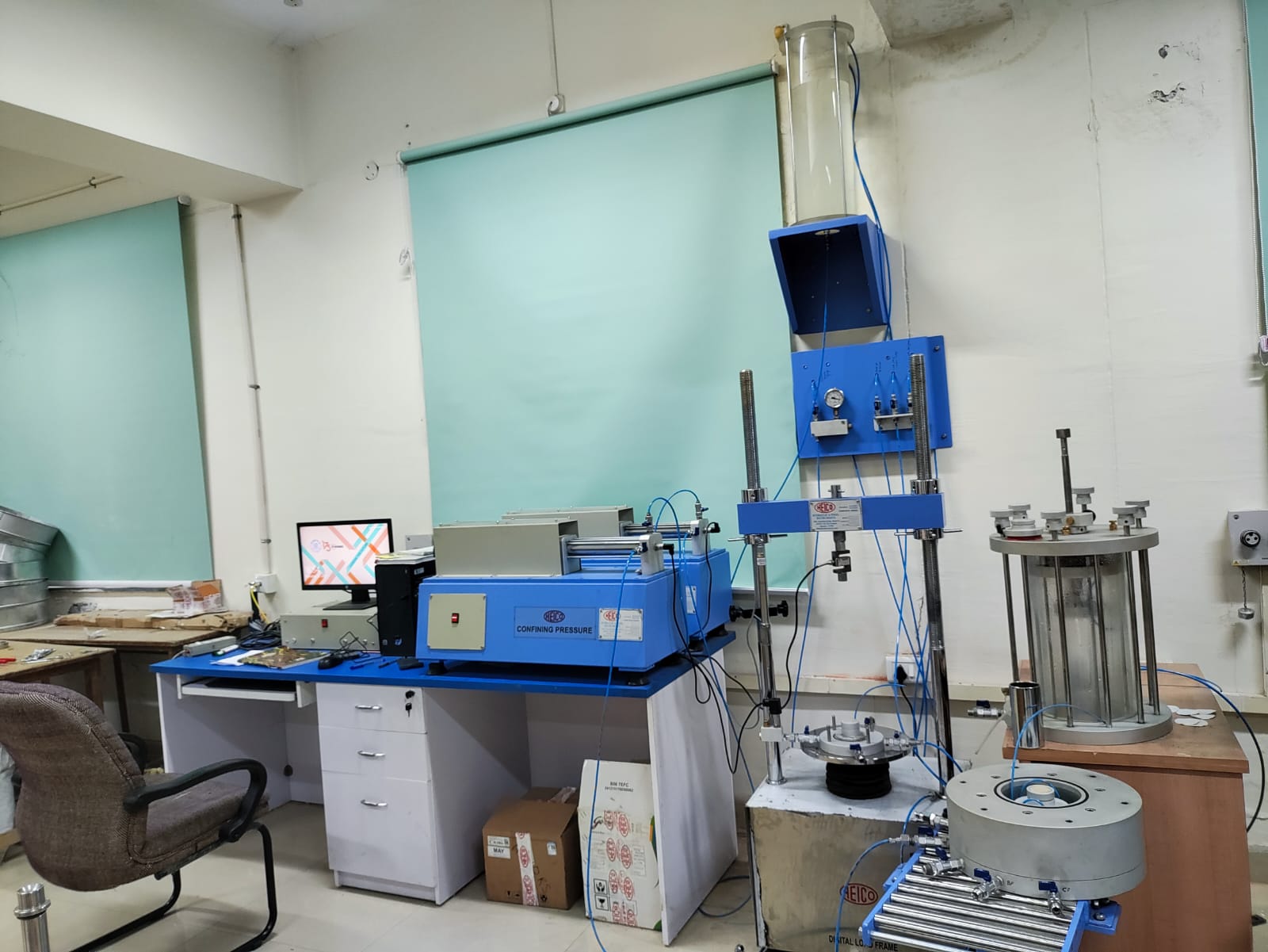
Fully Automatic and Computer Triaxial shear test Apparatus
The triaxial Cell is designed to incorporate the features suggested by A.W. Bishop and D.J. Henkel in their book "The Measurement of Soil Properties in the Triaxial Shear Test”, to carry out shear strength tests on cohesive and cohesionless soils by subjecting the specimen to three compressive stresses at right angles to each other. The stress conditions at failure are analyzed by Mohr circles and the apparent cohesion and angle of shearing resistance are determined. Immediate un-drained or quick, consolidated quick or consolidated Un-drained, slow, or drained tests can be carried out with this equipment, on 38 & 50 mm dia. Soil specimens with a diameter-to-height ratio of 1:2.
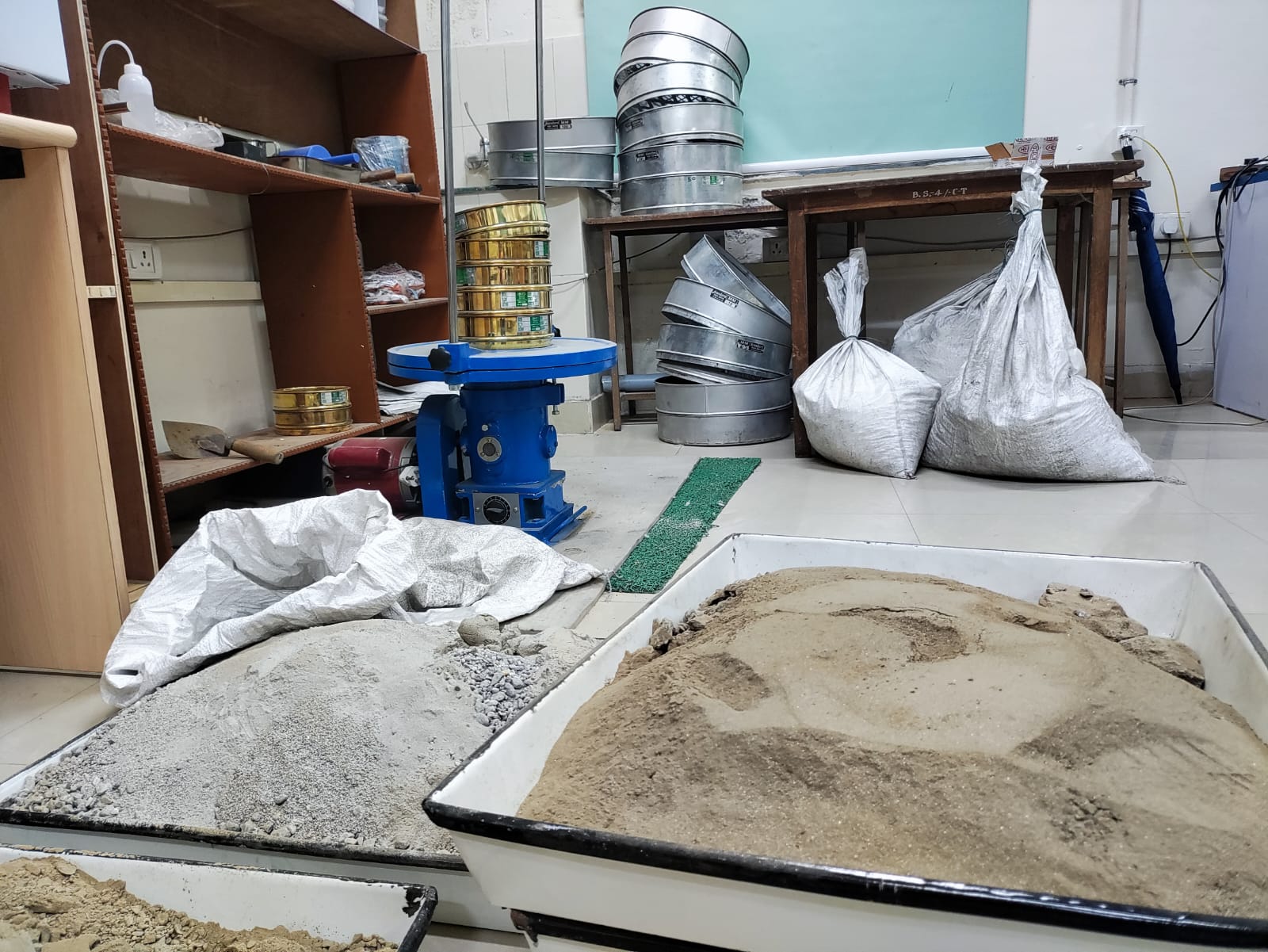
Soil Gradation Testing Setup
In our lab, we utilize a range of sieves spanning from 0.075 mm to 150 mm for conducting grain size analysis on soil and debris (a combination of soil and rock). The different sieve sizes are: 0.075mm, 0.425mm, 1.18mm, 2.36mm, 4.75mm, 6.3mm, 10mm, 12.5mm, 20mm, 40mm, 50mm, 63mm, 80mm, 100mm, 125mm and 150mm. Upon receiving samples in the laboratory, we employ sieving techniques, calculating the percentage of weight retained on each sieve. Subsequently, we determine the gradation curve, as well as calculate the coefficients of uniformity and curvature. Additionally, we utilize gravelometers to calculate grain size curves for gravel exceeding 150mm up to 300mm.
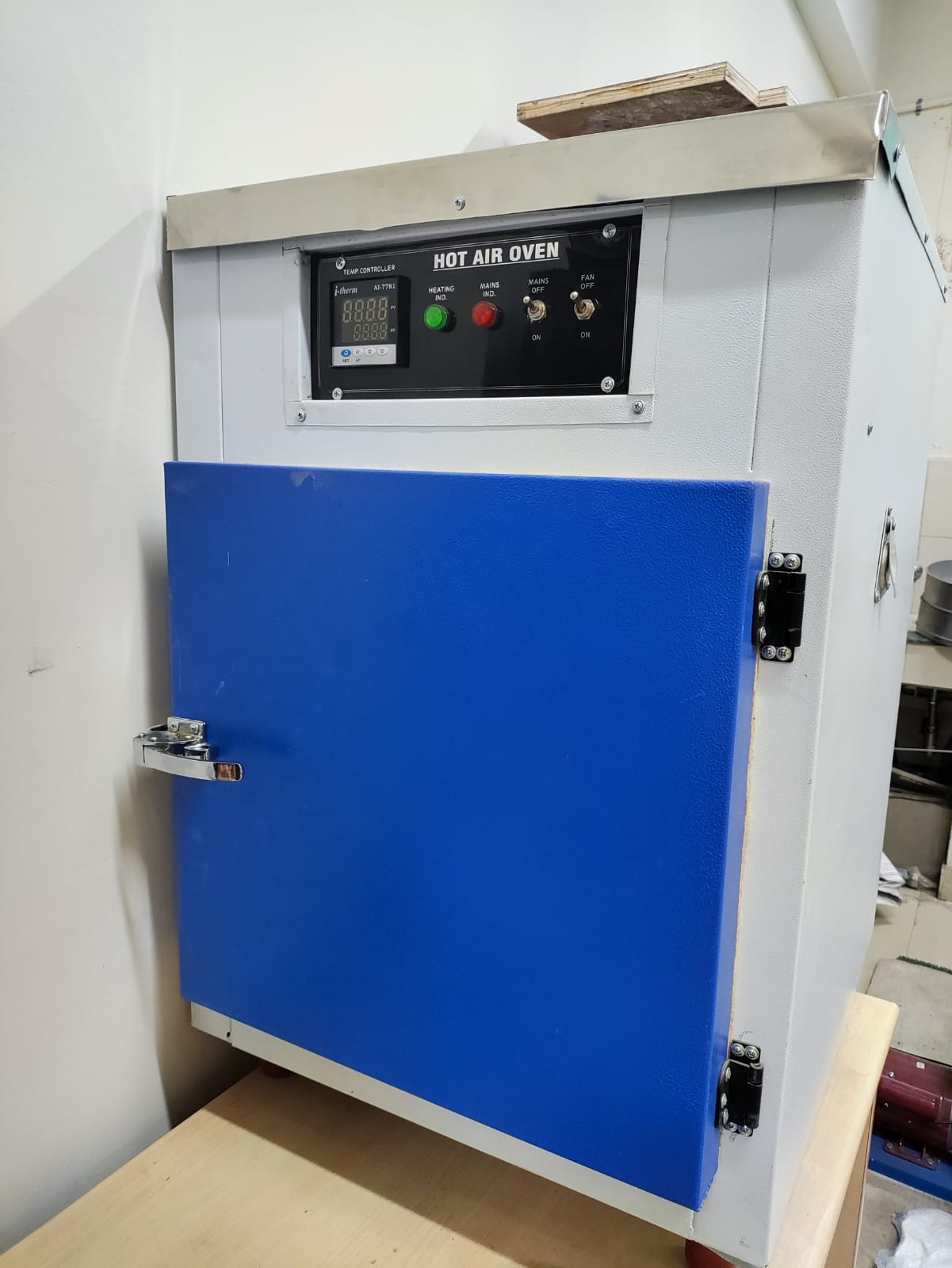
Digital Oven
Within our laboratory, we possess a digitally controlled hot air oven featuring precise thermostatic regulation. The interior is constructed from non-corrosive materials, facilitating temperature maintenance within the range of 0 to 300 degrees Celsius. This spacious oven is designed for extended operation, and all functions are automated to uphold the highest safety standards
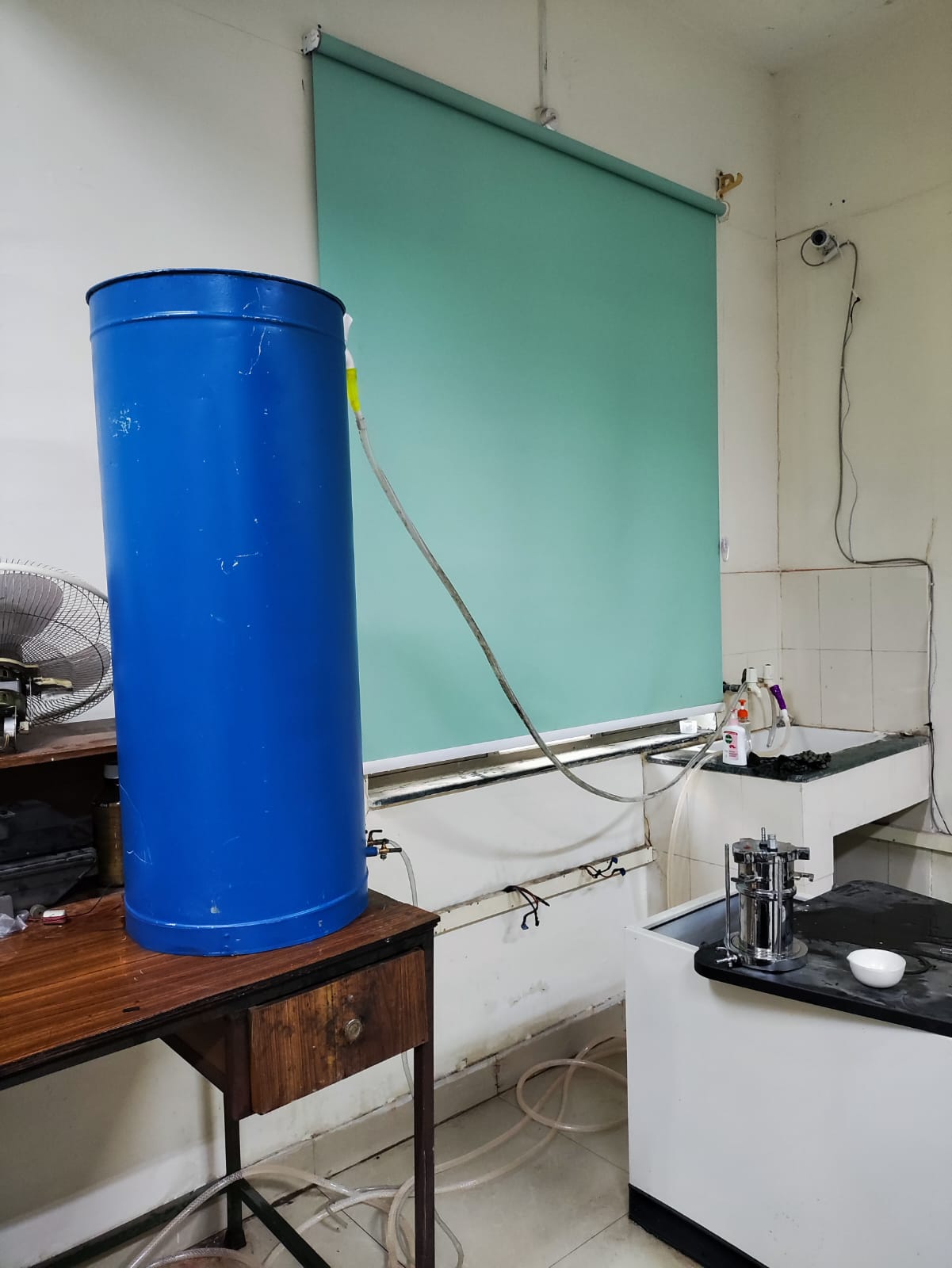
Soil Permeability Apparatus
In our laboratory, we employ both a falling head permeability apparatus and a constant head permeability apparatus to determine the permeability of fine soil and debris. We possess permeability apparatus in two capacities, namely 1000 ml and 2000 ml, designed for assessing small and large particle sizes, respectively. The use of a large-size permeability apparatus offers the advantage of testing rocks and soil together on a larger scale, allowing for the determination of permeability across various combinations of rock and soil.